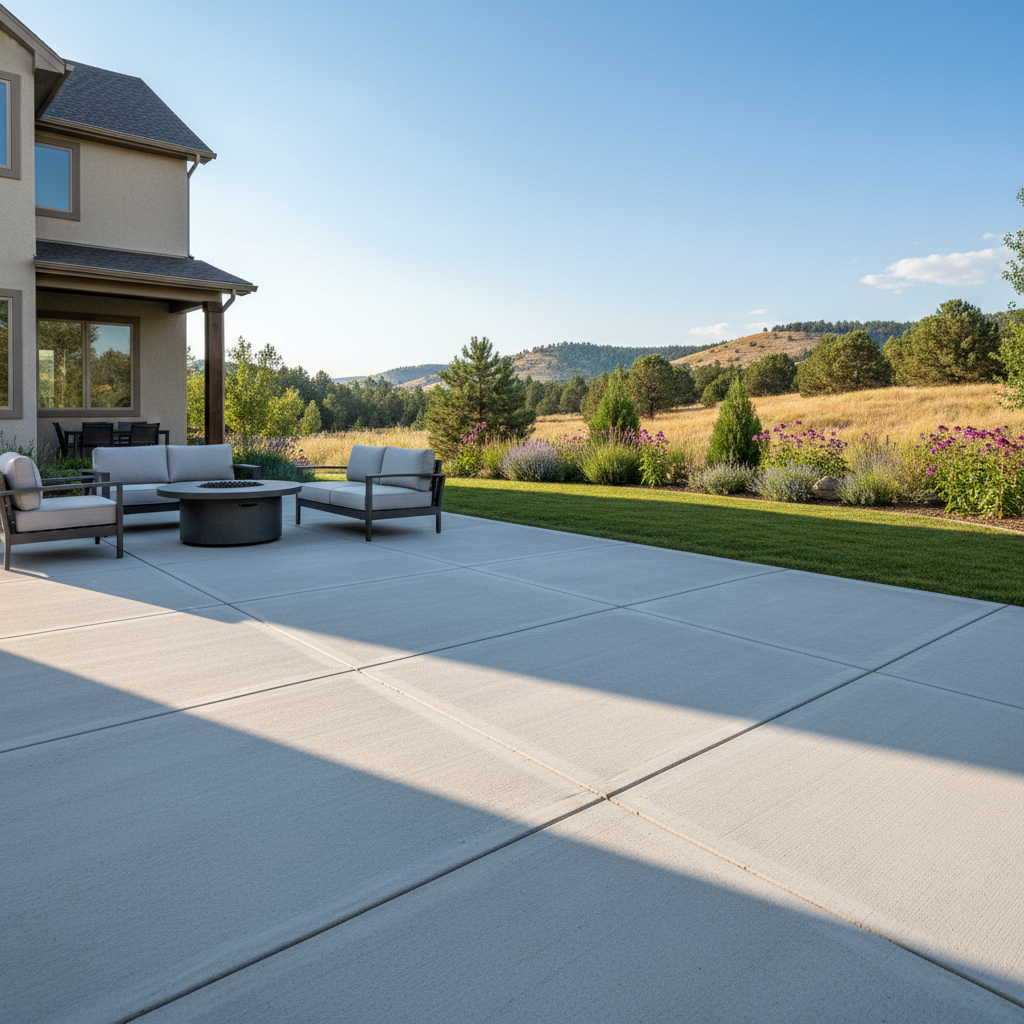
Your concrete patio is an investment, plain and simple. You picked it for its strength and how good it looks, right? But just like anything else around your home, it's not set-it-and-forget-it, especially with the crazy weather we get here in Westminster. I've seen plenty of patios that could've lasted twice as long if folks just knew a few simple tricks. Let's talk about what you need to do to keep your patio looking sharp and standing strong for decades.
Regular Maintenance: Your Patio's Best Friend
Keeping your concrete patio in top shape isn't rocket science, but it does take a little consistent effort. Think of it like changing the oil in your car – small steps now prevent big headaches later.
- Keep it Clean: This is probably the easiest thing you can do. Sweep off leaves, dirt, and debris regularly. If stuff sits there, it can hold moisture, encourage mold, or even stain the surface. For tougher grime, a good scrub with a stiff brush and some mild detergent (like dish soap) mixed with water usually does the trick. Rinse it thoroughly afterwards. You can use a pressure washer, but be careful not to use too high a setting or hold it too close, especially on older or decorative concrete, as you could damage the surface.
- Seal the Deal: This is huge, especially for us in Colorado. Concrete is porous, meaning it has tiny holes that can absorb water. When that water freezes (and it does, oh boy, does it freeze here!), it expands and can cause cracks and spalling (surface flaking). A good quality penetrating sealer creates a barrier against moisture, de-icing salts, and even stains. I usually recommend resealing every 2-3 years, depending on the sealer type and how much sun and traffic your patio gets. It's a simple process you can often do yourself with a roller or sprayer.
- Watch for Weeds: Weeds and grass love to sprout up through tiny cracks or joints. Pull them out as soon as you see them. If they get established, their roots can grow and widen those cracks, making things worse. A little weed killer formulated for patios can help keep them at bay, but always follow the instructions carefully.
Warning Signs: What to Look Out For
You're out on your patio enjoying a nice evening, maybe grilling some burgers. Take a moment to actually look at the concrete. Catching problems early can save you a lot of money and hassle down the road.
- Hairline Cracks: Small, thin cracks are pretty common in concrete; it's a natural part of its curing and settling. But if they start to get wider, longer, or if you see new ones popping up frequently, that's a red flag.
- Spalling or Flaking: This is when the surface of the concrete starts to chip away or peel. It often looks like the top layer is coming off. This is almost always a sign of water damage, especially from freeze-thaw cycles, or sometimes from improper finishing or de-icing salt use.
- Uneven Surfaces or Sinking Slabs: If one section of your patio looks lower than another, or if you see a trip hazard forming, that's a structural issue. It could be due to soil erosion underneath, poor drainage, or even expansive clay soils we have around areas like the Legacy Ridge neighborhood that swell and contract with moisture.
- Stains that Won't Budge: While some stains are just cosmetic, persistent oil, rust, or mold stains can indicate that your sealer isn't doing its job or that moisture is getting trapped.
When to Call a Professional (Like Us!)
Look, I'm all for DIY, but there are times when you really need to bring in someone who does this for a living. Don't be afraid to pick up the phone.
- Major Cracks: If you've got cracks that are wider than a credit card, or if they're running across multiple slabs, that's beyond a simple patch job. You might have a deeper structural issue that needs assessment.
- Significant Spalling or Pitting: If large areas of your patio are spalling, it's not just an aesthetic problem; the integrity of the concrete is compromised. We can often resurface or repair these areas, but it needs to be done right.
- Sinking or Uneven Slabs: This is definitely a job for the pros. We have specialized equipment and techniques, like mudjacking or slab jacking, to lift and level concrete without tearing out the whole patio. Trying to fix this yourself can make it worse or even dangerous.
- Drainage Issues: If water is consistently pooling on your patio or running towards your house, that's a serious problem. It can lead to foundation damage. We can assess the grading and recommend solutions, sometimes even incorporating new drainage systems.
- You're Just Not Sure: If you see something that looks off and you're not confident about what it is or how to fix it, just give us a call at Horizon Concrete Solutions. It's better to get a professional opinion early than to wait until it's a much bigger, more expensive repair. We're happy to come take a look and give you an honest assessment.
Taking good care of your concrete patio isn't just about making it look nice; it's about protecting your investment and ensuring you can enjoy your outdoor space for many years to come. A little effort now saves a lot of headaches later, trust me on that one.