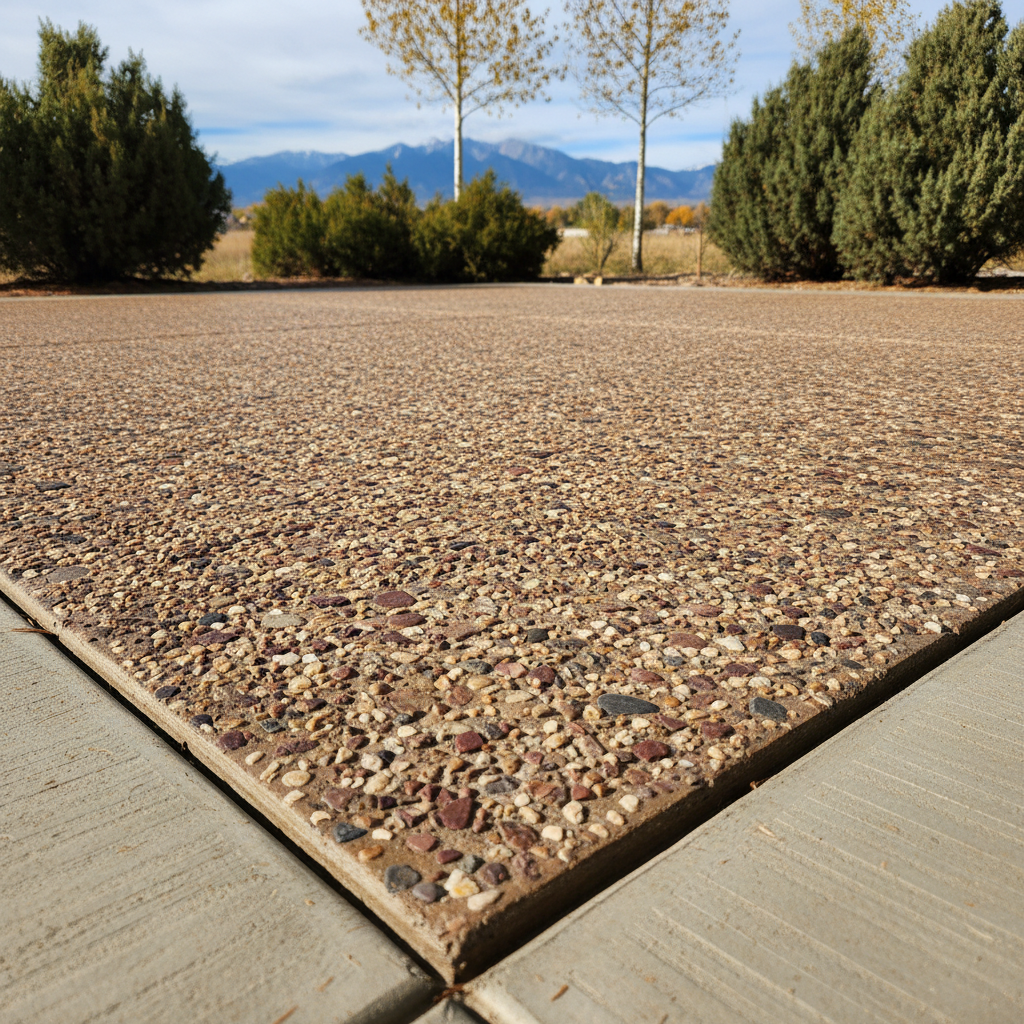
So, you're looking at decorative concrete, huh? Smart move. It's not just about pretty patterns and colors; it's about adding serious curb appeal and durability to your Westminster home. But before you dive in, let's talk about what's realistic for a DIYer and when you absolutely need to call in someone like us.
Before You Start: Planning Your Decorative Concrete Project
First things first: what do you want? Stamped concrete? Stained? Polished? An epoxy coating for your garage? Each option has its own look, feel, and level of complexity. Stamped concrete, for example, mimics natural materials like stone or brick, but it's a whole different beast than just pouring a slab. Staining can give you incredible depth and color, but the final look depends a lot on the existing concrete's condition and porosity.
You've got to think about the area too. Is it a patio, a walkway, a driveway, or an interior floor? The use case dictates the type of decorative concrete and the sealants you'll need. For instance, a driveway needs to stand up to vehicle traffic and our crazy Colorado weather — freezing and thawing cycles can be brutal on poorly installed or unsealed concrete. That's why we always recommend a high-quality sealant for outdoor applications, especially with the clay soils we have around Westminster that can cause movement and stress on slabs.
Now, about DIY. Can you stain a small concrete patio yourself? Maybe. If it's a small, clean, unsealed slab and you're meticulous, you could probably get a decent result with an acid stain or a water-based stain kit. But for anything involving stamping, resurfacing, or large-scale projects, you're getting into pro territory. It's not just about pouring concrete; it's about timing, specialized tools, and knowing how to get that perfect finish before the concrete sets up.
During the Project: What to Expect & When to Call a Pro
If you've decided to tackle a small staining project, here's the drill: clean the surface thoroughly – and I mean thoroughly. Any grease, dirt, or old sealant will mess with your stain. Apply the stain evenly, usually in multiple thin coats, and then neutralize it if you're using acid stain. After that, you'll need to seal it to protect the color and the concrete itself. This part is crucial for longevity.
For anything more complex, like stamped concrete, resurfacing an existing slab, or pouring a new decorative patio, you really need a professional. Here's why: stamped concrete requires a crew that knows how to pour, color, release, and stamp a large area quickly and uniformly. The timing is everything. If you wait too long, the concrete's too hard to stamp. If you go too soon, you'll mess up the surface. Plus, the forms, the base prep, the rebar or mesh – it all has to be done right the first time. There are no do-overs with concrete once it's set.
When we do a stamped patio for a client, say in the Ranch Reserve neighborhood, we're not just throwing down concrete. We're carefully preparing the sub-base, ensuring proper drainage, mixing the right concrete blend for our climate, applying integral color, broadcasting release agents, and then using specialized stamps to create that beautiful texture. It's an art and a science, and it takes years of experience to get it consistently right.
After the Project: Maintaining Your Decorative Concrete
Okay, so your beautiful new decorative concrete is in. Now what? Maintenance is key to keeping it looking great for years. For most decorative concrete, especially outdoors, you'll want to reseal it every 2-5 years. This protects it from UV rays, moisture, and general wear and tear. A good quality sealer will prevent fading, inhibit weed growth in stamped patterns, and make it easier to clean.
Cleaning is pretty straightforward. A broom and a hose usually do the trick for regular dirt. For tougher stains, a mild detergent and a soft brush are your friends. Avoid harsh chemicals or high-pressure washers, as these can damage the sealer or even the concrete surface itself over time. If you've got an epoxy garage floor, it's even easier to clean – just a mop and some mild cleaner.
Keep an eye out for any cracks, especially with our expansive soils. Small hairline cracks are often just cosmetic, but if you see larger, structural cracks, or if sections start to settle unevenly, that's when you should call us. Sometimes it's just a matter of filling and sealing, but sometimes it indicates a bigger issue with the sub-base that needs professional attention. At Horizon Concrete Solutions, we stand by our work, and we're always here to help you keep your decorative concrete looking its best.
The bottom line is, decorative concrete is a fantastic investment in your home. Just make sure you're realistic about what you can do yourself and don't hesitate to bring in the pros for the bigger, more intricate jobs. You'll be glad you did.