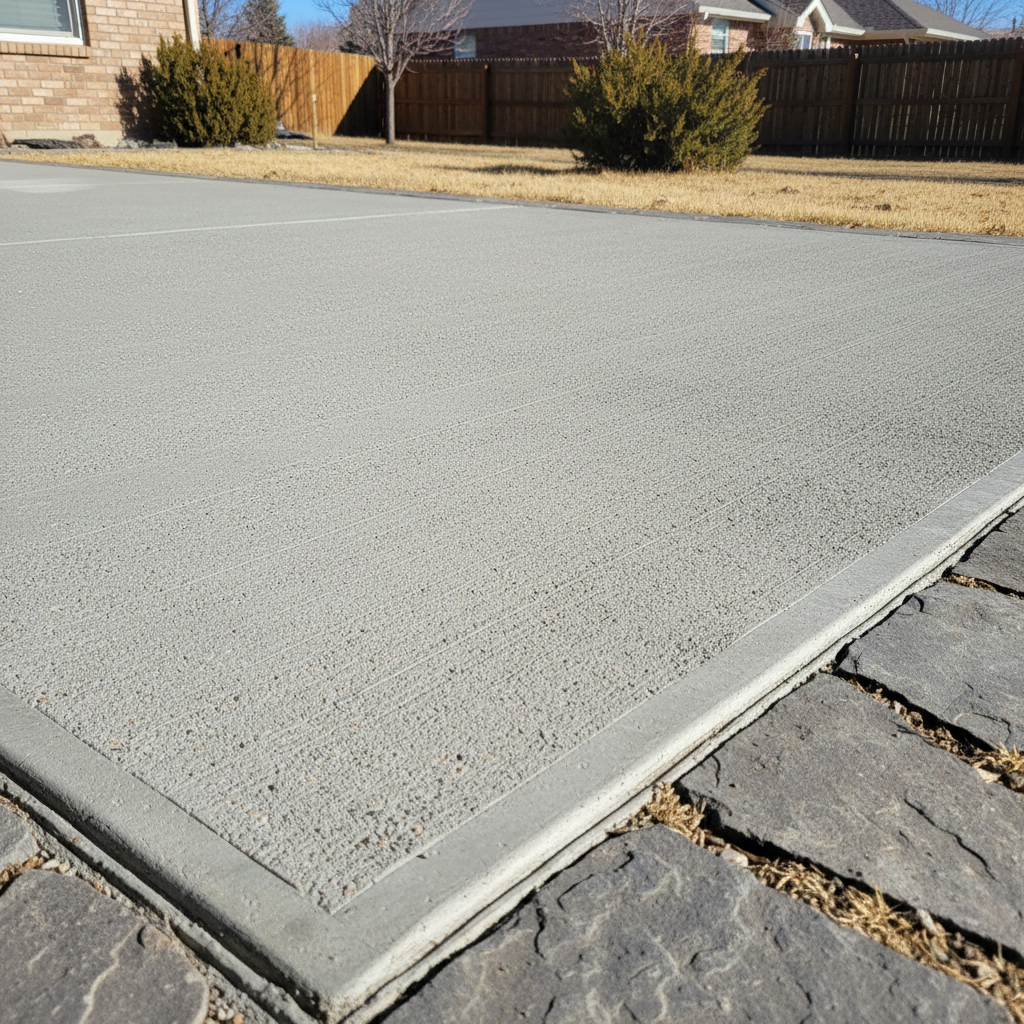
So, you're looking at that cracked patio or dreaming of a new walkway, and you're thinking, "How hard can pouring concrete really be?" I hear that a lot. And honestly, for some small jobs, it's totally doable. But for others, you're just asking for trouble if you don't know what you're doing. Let's break down what you need to consider before, during, and after a concrete project here in Westminster.
Before You Even Think About Mixing
First off, what's the project? A small stepping stone? Go for it. A 200-square-foot patio? That's a different beast entirely. The size and complexity are your first big indicators. If it's anything structural, like a foundation or a retaining wall, or if it's going to bear significant weight, you absolutely need a professional. No question.
Next, permits. Don't skip this. Especially here in Westminster, if you're doing anything that changes the footprint of your property, affects drainage, or is over a certain size, you'll need one. The city's planning department can tell you exactly what's required. You don't want to pour a beautiful new driveway only to have to tear it out because you didn't get the proper approvals.
Then there's the ground itself. We've got some interesting soil conditions around here, especially in areas like Legacy Ridge with that expansive clay. That stuff moves, and if your sub-base isn't properly prepared and compacted, your concrete will crack. It's not a matter of if, but when. For a small patch, you might get away with just digging out the old stuff and laying down some gravel. For anything larger, you need to understand proper excavation, grading, and compaction. This is where a lot of DIY projects go sideways.
Consider your tools. Do you have a wheelbarrow, shovels, a tamper, screed boards, floats, edgers, groovers? For mixing, are you hand-mixing bags or renting a mixer? For anything beyond a few bags, a mixer is a must. And if you're pouring a slab, you'll need a concrete vibrator to get rid of air pockets – otherwise, you'll have weak spots.
During the Pour: It's a Race Against the Clock
Concrete doesn't wait. Once it's mixed, you've got a limited window to get it in place, screeded, floated, and finished. This is where most DIYers get overwhelmed. If you're pouring a larger slab, you'll need help. At least two or three people who know what they're doing, or at least can follow instructions quickly.
Formwork is critical. If your forms aren't square, level, and strong, your slab won't be either. Take your time here. Use good quality lumber, stake it well, and brace it. And make sure it's oiled so the concrete doesn't stick.
When the truck arrives (if you're getting a ready-mix delivery), things move fast. You're directing the chute, spreading the concrete, screeding it off to the right height, and then waiting for it to stiffen up just enough for floating and finishing. Too soon, and you'll just push mud around. Too late, and it's like trying to sculpt rock. Getting that timing right takes practice and experience. This is where Horizon Concrete Solutions really shines – we've done this thousands of times.
And don't forget control joints. These aren't just for looks; they're essential. Concrete cracks, it's a fact of life. Control joints are strategically placed cuts that encourage the concrete to crack in a straight, predictable line, rather than all over the place. If you don't put them in, or put them in incorrectly, your beautiful new slab will look like a spiderweb in a few months.
After the Pour: The Curing Process
You've poured it, you've finished it, now you're done, right? Nope. The most important part of getting strong, durable concrete is proper curing. This means keeping the concrete moist for at least 5-7 days, sometimes longer depending on the mix and the weather. Especially with our dry Colorado air, concrete can dry out too fast, leading to a weaker surface and more cracking.
You can cure concrete by covering it with plastic sheeting, using wet burlap, or applying a liquid curing compound. Don't just let it sit there exposed to the sun and wind. That's a recipe for a weak, dusty surface that won't last.
Also, don't put heavy weight on it too soon. Give it at least a week before walking on it regularly and a month before driving a car on it. Concrete gains strength over time, and rushing it can compromise its long-term durability.
So, DIY or Pro?
For small, non-structural projects like a single stepping stone, a small repair patch, or maybe a very small, simple pad for a trash can, DIY is fine. You'll learn a lot, and the stakes aren't too high if it's not perfect.
But for anything larger – a patio, driveway, foundation, or anything that needs to look good and last for decades – I strongly recommend calling a professional. The cost of fixing a poorly done concrete job almost always outweighs the initial savings of trying to do it yourself. We've seen it time and time again. You get the right equipment, the experience, and the peace of mind that comes with a job done right. If you're in Westminster and considering a concrete project, give us a call at Horizon Concrete Solutions. We're happy to talk through your options and give you an honest assessment of what it'll take.