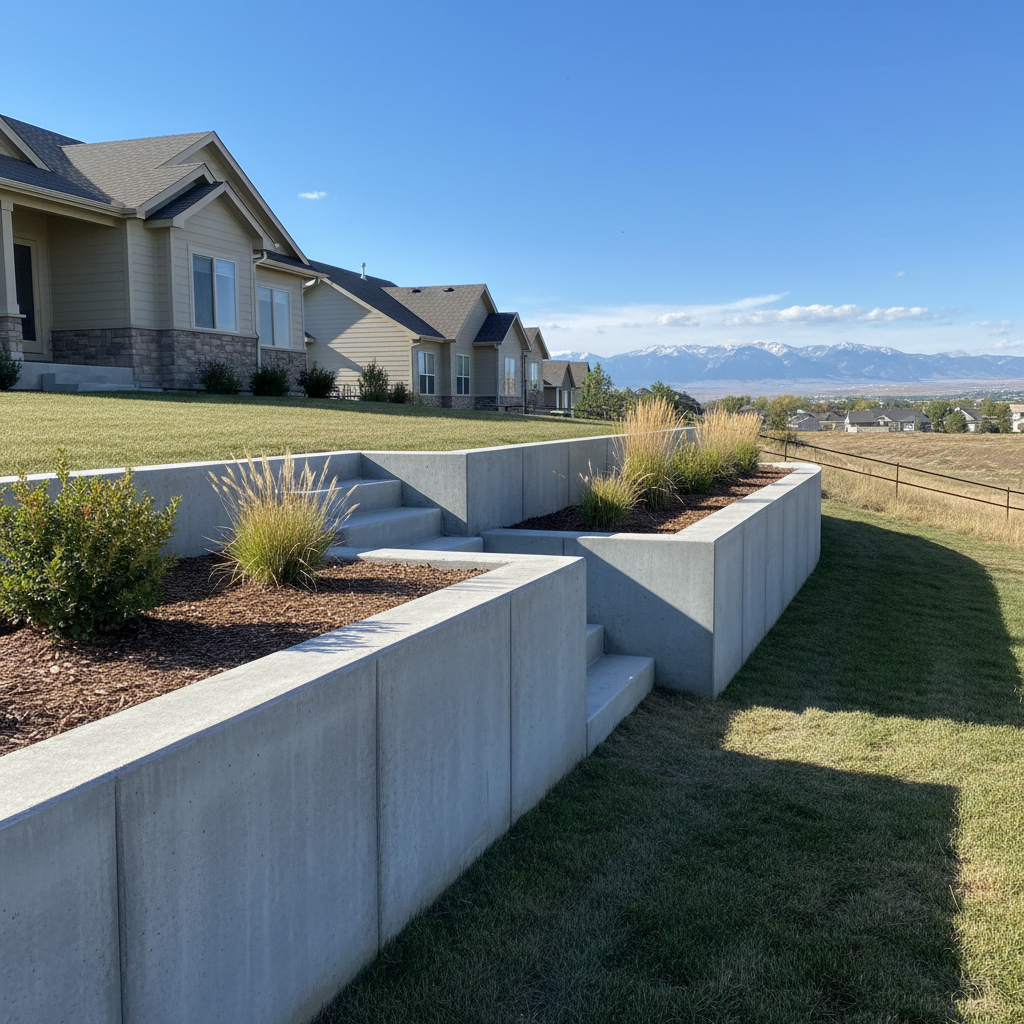
Picking a concrete contractor for your home project in Westminster isn't rocket science, but let's be real, it's not always as straightforward as it should be. I've been doing this a long time, and believe me, I've seen the good, the bad, and the downright ugly. You want a solid job that lasts, right? And you want to work with someone you can trust. So, let's cut to the chase and talk about how to find that person.
What to Ask Before They Even Quote
When you're talking to potential contractors, don't be shy. This is your house, your money. You really need to know what you're getting into. Here are the questions I'd ask if I were in your shoes:
- How long have you been in business, specifically here in Colorado? This isn't just about general experience; it's about experience with our crazy Colorado weather cycles. The freeze-thaw we get here, especially with our clay soils, is a real beast on concrete. Someone who's only worked in, say, Arizona, might not understand the specific challenges of a Westminster winter.
- Can you give me references from recent projects similar to mine? And I mean *recent*. Not from five years ago. Call those people. Ask them about the contractor's communication, how timely they were, and if they'd hire them again.
- What's your process for site preparation and the sub-base? This is huge. A good concrete job starts underneath. If they just pour over existing dirt without proper compaction and a good gravel base, you're asking for trouble down the line. I'm talking about proper grading, compaction, and a solid 4-6 inches of road base, depending on the project.
- What kind of concrete mix do you use, and what's the PSI? For most residential flatwork, you want at least a 4000 PSI mix with air entrainment. Air entrainment is critical here in Westminster to resist those freeze-thaw cycles. If they don't know what you're talking about, that's a red flag.
- What's your plan for rebar or wire mesh? You need reinforcement. Period. Whether it's rebar, fiber mesh, or wire mesh, they should have a clear plan for it.
- How do you handle expansion and control joints? These aren't just for looks; they're essential for managing cracking. They need to be cut properly, at the right depths and intervals.
- What's the payment schedule? A reputable contractor won't ask for 100% upfront. A reasonable deposit (say, 25-30%) to secure materials and schedule is normal. The final payment comes when the job is done and you're happy.
- What kind of warranty do you offer? A good contractor stands behind their work. Ask about their warranty on workmanship and materials.
Decoding the Quote: What to Look For
Don't just look at the bottom line. A cheap quote often means cheap work or corners cut. A good quote should be detailed. It should clearly outline:
- Scope of work: Exactly what they're doing. Does it include demolition, hauling away old concrete, site prep, and cleanup, or just the pouring?
- Materials: Type of concrete (PSI, air entrainment), amount of rebar/mesh, type of sealer (if any).
- Measurements: Square footage, thickness of concrete.
- Timeline: Estimated start and completion dates.
- Total cost: Broken down, not just one lump sum.
- Payment terms: Deposit, progress payments, final payment.
- Warranty details.
If a quote is just a number on a napkin, walk away. You need clarity. I make sure every Horizon Concrete Solutions quote is crystal clear so you know exactly what you're paying for.
Red Flags You Can't Ignore
Your gut feeling is important, but here are some concrete (pun intended, of course) red flags:
- High-pressure sales tactics: