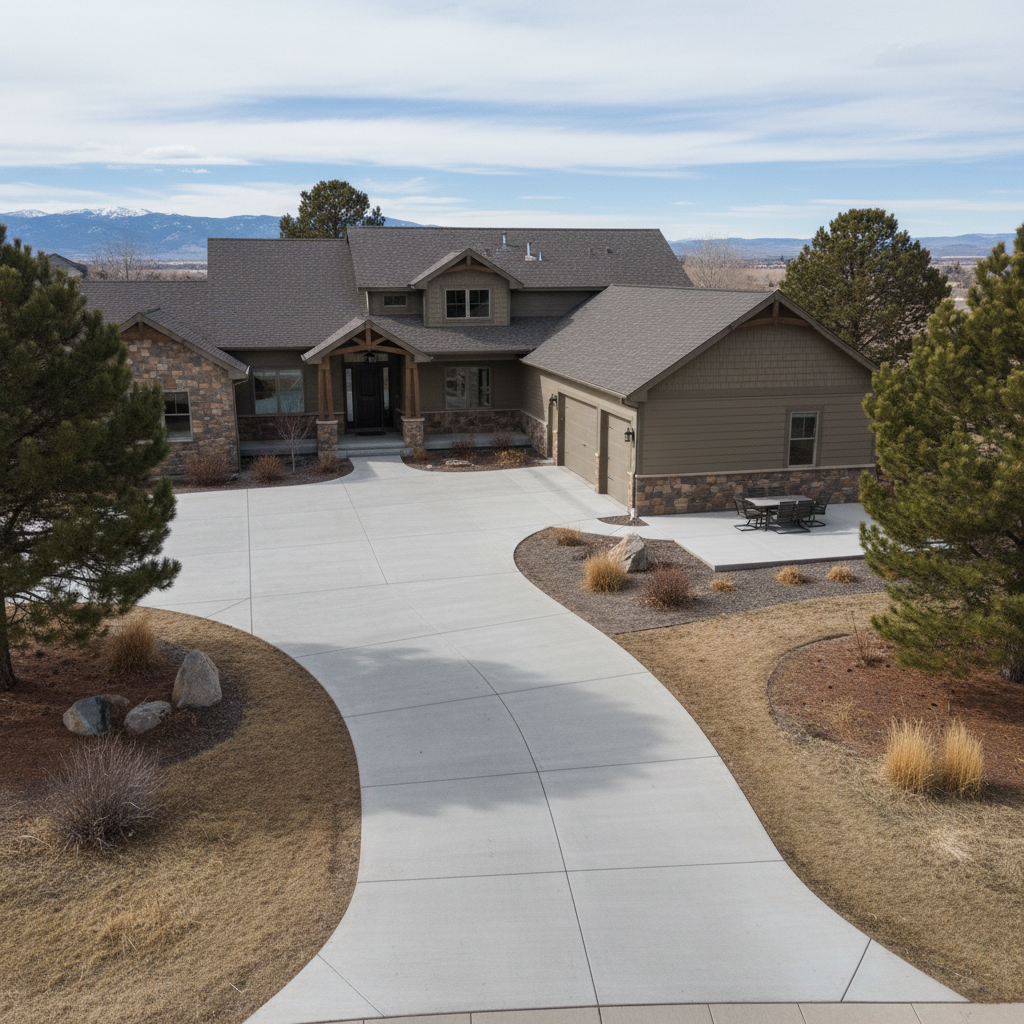
So, you're thinking about a new concrete project for your Westminster home. Maybe it's a fresh patio, a wider driveway, or a sturdy new walkway. That's great! Concrete adds value and function, but getting it right takes some planning. As a contractor who's poured a lot of concrete around here, I've seen the good, the bad, and the ugly. This isn't just about mixing cement; it's about a solid plan from start to finish. Let's talk about what you need to know before you even pick up the phone.
Understanding Your Project Timeline
One of the first things folks ask me is, "How long will this take?" And my answer is always, "It depends." But I can give you a general idea of the stages, because it's more than just the day we show up to pour.
- Initial Inquiry & Consultation (1-2 weeks): You reach out, we schedule a time to come look at your property, discuss your vision, and measure things up. This is where we figure out the scope.
- Quote & Contract (1-2 weeks): We put together a detailed quote. You review it, ask questions, and once you're comfortable, we sign a contract. Don't rush this part. Make sure everything's clear.
- Permitting (2-6 weeks, or more): This is often the biggest variable. Depending on your project's size and location within Westminster, you might need permits. For instance, if you're expanding a driveway that impacts city right-of-way, or building a large patio, the city will need to review and approve plans. This can take time, and it's not something you want to skip.
- Scheduling & Prep (1-2 weeks): Once permits are in hand, we schedule the work. This includes ordering materials, lining up equipment, and getting our crew ready.
- Site Work & Pour (1-5 days): This is the active construction phase. We'll excavate, prepare the base, set forms, install rebar or mesh, and then pour the concrete. This can be quick for a small pad, or take several days for a large, complex driveway.
- Curing (7-28 days): After the pour, the concrete needs to cure. You can usually walk on it after 24-48 hours, but it won't reach its full strength for weeks. We'll give you specific instructions on when you can drive on it or place heavy items.
So, from your first call to full use, you're often looking at anywhere from 6 weeks to 3 months, sometimes longer if permits are tricky or weather delays us. Planning ahead, especially during our busy spring and summer seasons, is key.
What to Expect During the Installation Process
When we're on site, things will happen. It's a construction zone, so expect some noise and disruption. Here's a general rundown:
- Excavation: We'll dig out the area to the correct depth. This means dirt will be moved, and sometimes a small bobcat or excavator will be involved.
- Base Preparation: A good concrete slab starts with a good base. We'll lay down and compact gravel or aggregate. This is critical for drainage and preventing future cracking, especially with Westminster's expansive clay soils that can shift and swell.
- Form Setting: We'll set up forms, usually wood or metal, to create the exact shape and dimensions of your new concrete. This is where the edges of your patio or driveway are defined.
- Reinforcement: Rebar or wire mesh goes in next. This adds tensile strength to the concrete, helping it resist cracking from temperature changes or ground movement.
- The Pour: The concrete truck arrives, and we get to work. This is usually a fast-paced operation to ensure the concrete is placed and finished properly before it starts to set.
- Finishing: Our crew will float, trowel, and broom the surface to achieve the desired finish – smooth, textured, or decorative.
- Curing & Protection: We'll apply a curing compound or cover the concrete to ensure it cures slowly and evenly. We'll also put up barriers or tape to keep people and pets off it while it's vulnerable.
We do our best to keep your property tidy, but there will be equipment, materials, and some mess. We'll communicate with you throughout the process, letting you know what's happening each day.
How to Prepare Your Property
You can help make the project go smoother. Before we even start, here are a few things you should consider:
- Clear the Area: Move any patio furniture, grills, planters, or other items from the work zone. If there are plants or landscaping you want to save, let us know so we can try to protect them, or move them yourself.
- Access: Ensure we have clear access for our vehicles and equipment. This might mean moving cars or making sure gates are unlocked.
- Utilities: Mark any sprinkler heads, underground dog fences, or other buried lines you know about. While we call 811 for utility locates, sometimes private lines aren't marked. It's always best to be proactive.
- Pets & Kids: Keep pets and children away from the work area for their safety. Construction sites are dangerous.
- Communication: If you have any concerns or questions before or during the project, please ask! That's what I'm here for.
Key Questions to Ask Before Signing a Contract
Don't just sign on the dotted line without asking some important questions. This protects you and ensures you're getting a quality job. Here's what I'd want to know if I were in your shoes:
- Are you licensed and insured in Colorado? This is non-negotiable. Ask for proof of both. Horizon Concrete Solutions is, of course, fully licensed and insured.
- Do you pull all necessary permits? A reputable contractor handles this. Don't let anyone tell you it's not needed if the city says it is.
- What kind of base preparation do you do? A good base is crucial. Ask about the depth of the aggregate and compaction methods.
- What type of reinforcement do you use? Will it be rebar, wire mesh, or fiber mesh? How will it be supported during the pour?
- What's your process for expansion and control joints? These are essential to manage cracking. Where will they be placed?
- What kind of concrete mix will you use? Ask about the PSI (pounds per square inch) rating. For driveways in Colorado, you generally want at least 4000 PSI.
- What's your warranty on the work? Understand what's covered and for how long.
- Can you provide references? A good contractor will happily share contacts for past clients.
- What's the payment schedule? Be wary of contractors who ask for a huge upfront payment. A reasonable deposit is normal, with payments tied to project milestones.
- What's your clean-up process? Make sure they'll leave your property tidy once the work is done.
Taking the time to plan and ask these questions will save you headaches and ensure your new concrete project is a success. We want you to be happy with your investment for years to come.