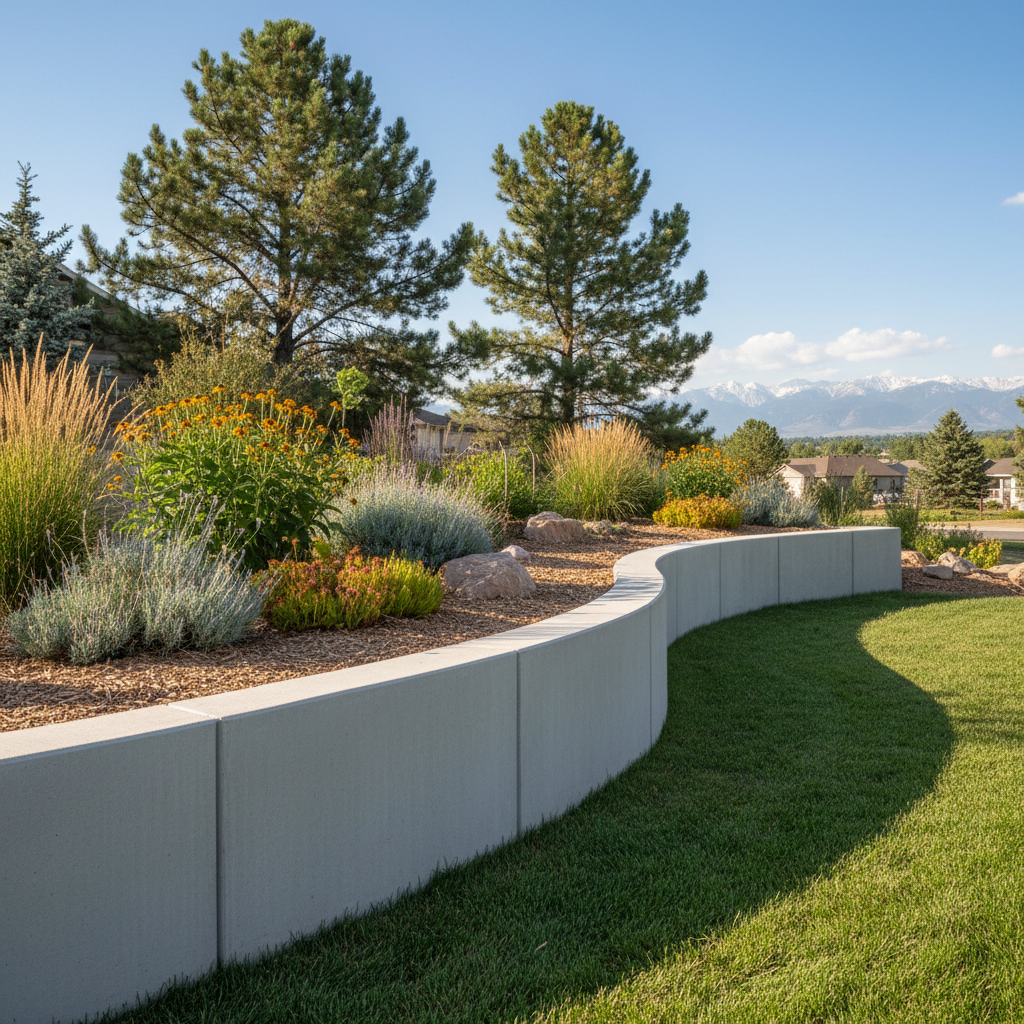
You've got a concrete retaining wall, right? Maybe it's holding back a hillside, leveling out your yard, or defining a garden bed. Whatever its job, that wall is doing some serious work, especially here in Westminster with our crazy freeze-thaw cycles and expansive soils. But even the toughest concrete needs a little love to stay strong and keep doing its job for decades. I'm gonna walk you through what you need to know.
Extending Your Wall's Lifespan: It's All About Protection
The biggest enemy of any outdoor concrete structure in Colorado isn't just time; it's water and temperature swings. We get hot summers, snowy winters, and those spring thaws that can really put pressure on things. So, how do you fight back?
- Proper Drainage is King: This is non-negotiable. Your wall was built with drainage in mind – usually a gravel backfill and a perforated pipe (weep holes) at the bottom. Make sure those weep holes are clear. If water can't get out from behind the wall, it builds up hydrostatic pressure. That's like a giant invisible hand pushing on your wall, and eventually, something's gotta give. Clear out any leaves, dirt, or debris that might be blocking them.
- Seal it Up: Think of a good concrete sealer as sunscreen for your wall. It doesn't just make it look better; it creates a barrier against moisture penetration, de-icing salts, and UV rays. I recommend resealing every 3-5 years, depending on the product and how much sun and snow it gets. It's an easy weekend job you can do yourself with a roller or sprayer, and it makes a huge difference in preventing spalling and cracking.
- Mind Your Landscaping: While it's tempting to plant right up against the wall, be careful. Root systems from large trees or shrubs can grow into and compromise the wall's foundation over time. Keep larger plantings a few feet away. Also, make sure your irrigation system isn't constantly saturating the soil directly behind or at the base of the wall.
Regular Check-Ups: What to Look For
You don't need to be a concrete expert to spot potential problems. Just take a walk around your wall a couple of times a year, especially after heavy rains or snowmelt. Here's what I look for when I'm out on a job:
- Cracks: Small hairline cracks are often just surface-level and aren't usually a big deal. But if you see cracks that are wider than a credit card, or if they're growing, that's a red flag. Vertical cracks are generally less concerning than horizontal cracks or cracks that run diagonally. Step cracks (cracks that follow the mortar lines in block walls) can indicate settlement.
- Leaning or Bulging: This is a serious one. If any section of your wall looks like it's tilting forward, bowing out, or has shifted noticeably, you've got a problem. This almost always points to drainage issues or foundation movement.
- Efflorescence: That white, powdery stuff on the surface? That's efflorescence. It's mineral salts left behind when water evaporates from within the concrete. It's mostly cosmetic, but it tells you water is moving through the wall. If it's excessive, it might indicate persistent moisture issues that need addressing.
- Spalling or Flaking: This is when the surface of the concrete starts to chip or peel away. It's often caused by freeze-thaw cycles where water gets into the concrete, freezes, expands, and pops off the surface. A good sealer helps prevent this.
- Washing Out at the Base: If you notice soil eroding from the base of the wall, or if the footing is becoming exposed, that's a sign of poor drainage or erosion that could undermine the wall's stability.
When to Call a Pro (That's Us, Horizon Concrete Solutions)
Look, some things you can handle yourself, like cleaning weep holes or applying a sealer. But there are times when you really need to bring in someone who knows their stuff. Don't wait until it's a full-blown emergency. Give us a call if you see:
- Significant Leaning or Bulging: As I mentioned, this is a structural issue that requires immediate attention. It's not going to fix itself, and it could get dangerous.
- Wide or Growing Cracks: Especially horizontal cracks or those that show signs of differential movement (one side is higher than the other). These can indicate structural failure.
- Sudden Changes: If your wall was fine last month and now it's got a big crack or a noticeable lean, that's a sign something serious happened, likely related to soil movement or heavy water saturation.
- Washing Out of Backfill: If you see significant amounts of gravel or soil washing out from behind or through the wall, your drainage system might be failing, or the wall itself could be compromised.
We've seen it all, from walls built on the old clay soils near Standley Lake to those dealing with runoff from the foothills. We can assess the situation, figure out the root cause, and give you an honest opinion on whether it's a simple repair or something more involved. Your retaining wall is a significant investment in your property, and keeping it in good shape protects that investment and keeps your yard looking great.
```